
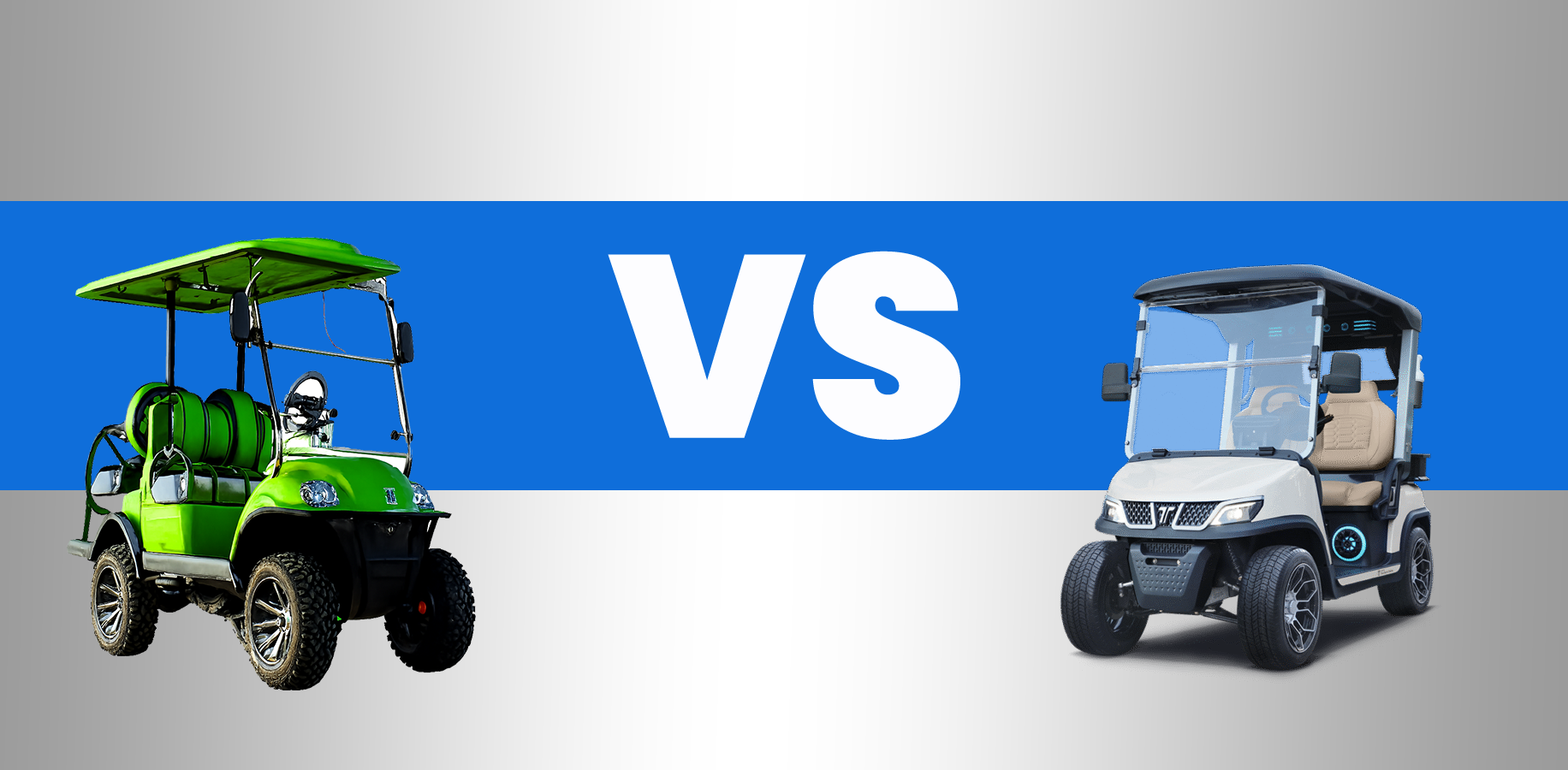
ICON vs Tara Golf Carts: A Real-World Buyer’s Guide
ICON and Tara golf carts target modern electric driving. Compare value, premium tech, support, and ride feel to choose confidently.
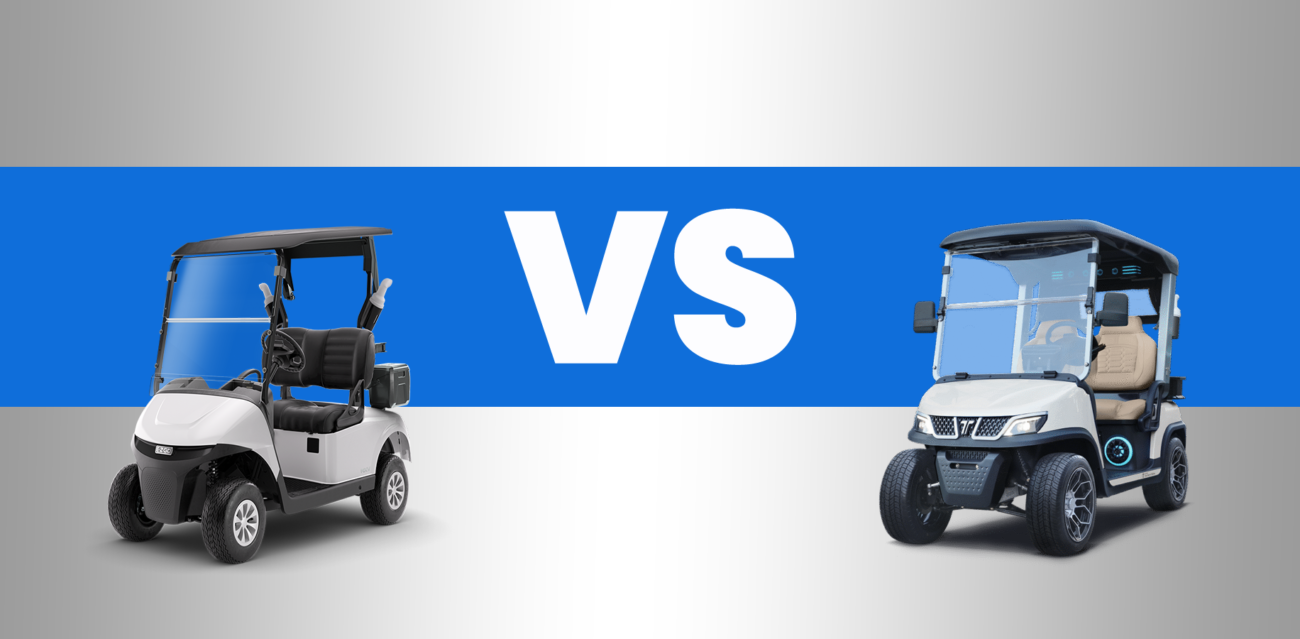
If you’re researching ICON vs Tara golf carts, you’re already looking beyond basic transportation. Both brands compete in the “feature-rich” category, where buyers expect upgraded lighting, digital displays, smooth electric power, and a more refined look. The key difference is how they deliver that experience. ICON is known for bundling popular comfort and convenience features as standard equipment at competitive prices, earning a reputation for strong value. Tara (Tara Electric Vehicles) leans into a more upscale, tech-forward identity, often highlighting premium components such as lithium power options, AC motor systems, and larger touchscreen-style interfaces designed to feel more automotive in spirit.
This article breaks down where each brand shines, what to inspect before you buy, and answers two common questions: Are Tara golf carts good quality? and What are the common problems with ICON carts?
Quick Comparison: ICON vs Tara
| Category | ICON Golf Carts | Tara Golf Carts |
|---|---|---|
| Positioning | Value-focused luxury as standard | Premium, tech-forward experience |
| Typical highlights | Lights, digital dash, AC motors, strong feature-to-price ratio | Lithium + AC motor emphasis, high-end components, touchscreen-style tech |
| Best for | Buyers who want “more features for the money” | Buyers who prioritize upscale tech and premium feel |
| Decision tip | Compare dealer setup quality and after-sale support | Compare feature packages and confirm service plan |
ICON Golf Carts: Value-First, Feature-Rich
ICON’s appeal is straightforward: many shoppers want modern styling, a comfortable cabin, and practical features without paying extra for every upgrade. ICON often checks those boxes with commonly requested items included up front, such as integrated lighting, a digital dash, and smooth electric acceleration. For neighborhoods, communities, and leisure driving, that “standard luxury” approach can feel like a great deal—especially if you’re comparing carts on a feature-per-dollar basis.
Why people choose ICON
- Competitive pricing for loaded builds: Popular features are often bundled rather than treated as costly add-ons.
- Modern look and cabin feel: Many models aim for an upscale aesthetic that stands out from older designs.
- Smooth electric performance: AC drive systems are frequently associated with responsive acceleration and consistent power delivery.
Tara Golf Carts: Premium Tech and Upscale Components
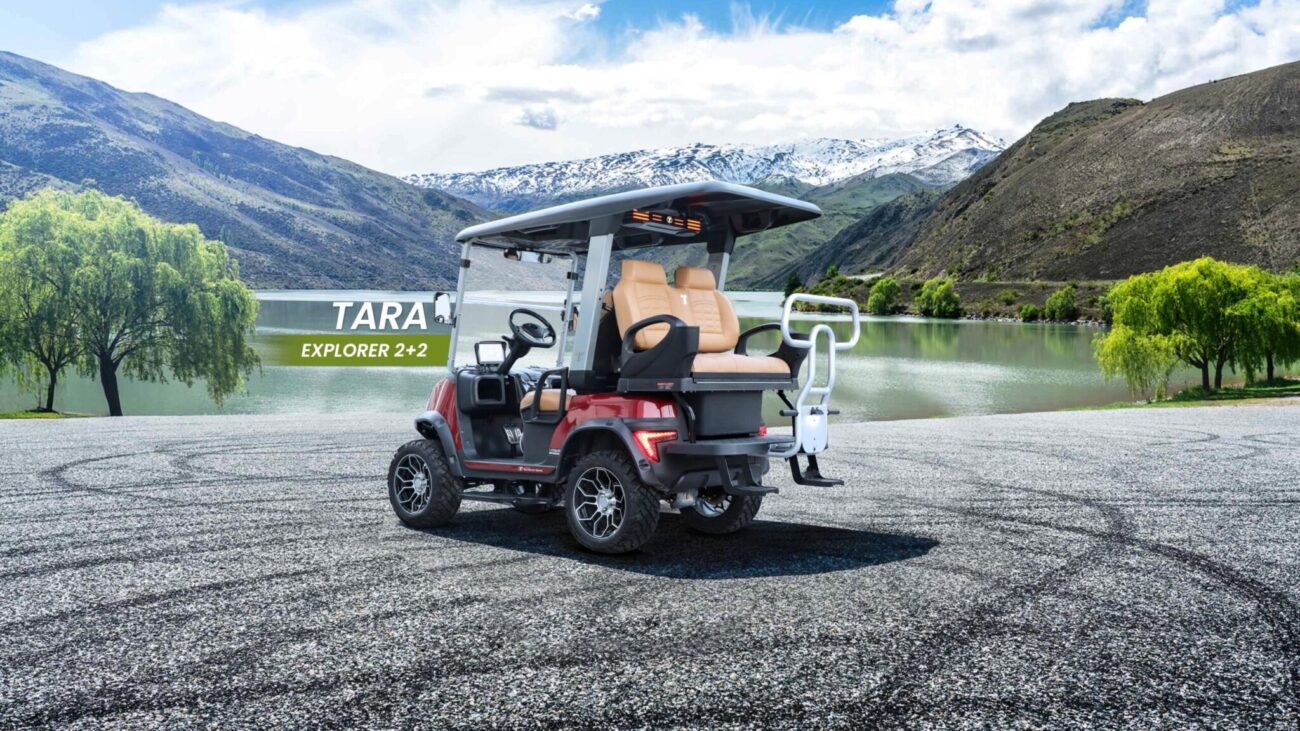
Tara positions its lineup for buyers who want a more elevated, tech-forward experience—less “basic cart with upgrades” and more “premium electric cruiser.” In many configurations, Tara emphasizes premium components (often including lithium setups and AC motor systems) and a more advanced interface, such as larger screens and polished controls. The result is a cart that aims to feel refined, modern, and intentionally designed.
If you want to explore the lineup and brand positioning directly, see tara golf carts.
Why people choose Tara
- Upscale, tech-forward experience: Touchscreen-style displays and modern interfaces can make daily driving feel more premium.
- Premium component emphasis: Lithium + AC motor positioning often appeals to buyers focused on efficiency and performance.
- High-end fit and feel goals: Tara typically markets toward buyers who care about refinement and design cohesion.
Are Tara Golf Carts Good Quality?
In practice, “quality” comes down to three things: component choices, assembly consistency, and support after delivery. Tara’s premium positioning usually means it competes strongly on the first point—highlighting higher-end power systems, modern electronics, and a more refined user experience. Where you should do your homework is the second and third points: how consistently the cart is set up by the dealer (or distributor) and what service support looks like in your area.
How to evaluate Tara quality quickly:
- Test drive on imperfect pavement: Listen for rattles, check braking smoothness, and note steering stability.
- Inspect fit and finish: Look at panel gaps, seat stitching, switch feel, and cable routing under the seat.
- Ask for a clear service plan: Who handles warranty, typical turnaround times, and how parts are sourced.
- Confirm the exact battery and charger spec: Premium systems perform best when the setup is correctly matched.
What Are the Common Problems with ICON Carts?
ICON carts are widely considered a strong value, but as with any feature-packed cart sold through varied dealers, some issues tend to show up more often than others. These are not guaranteed problems—think of them as common watch-outs reported by some owners and service shops, especially when setup or maintenance is inconsistent.
Common ICON watch-outs
- Dealer setup variance: A cart can feel dramatically different depending on alignment, tire pressure, and accessory installation quality.
- Wiring/accessory quirks: Added lights, sound systems, or extra accessories can introduce loose connections if not installed cleanly.
- Steering and alignment feel: Some owners report wanting a tighter or more centered steering feel; a proper inspection and alignment can help.
- Ride noise over bumps: Squeaks or rattles may appear if fasteners loosen over time—routine checks reduce this.
- Battery/charger pairing issues: Performance complaints sometimes trace back to mismatched settings or an incorrect charger profile.
The practical takeaway: if you buy ICON, prioritize a reputable dealer, ask for a documented pre-delivery checklist, and schedule a quick follow-up inspection after the first few weeks of use.
Which Should You Buy?
Choose ICON if you want maximum features at a competitive price and you’re confident in the dealer’s setup and support. ICON can be a smart pick for lifestyle buyers who want a loaded cart without climbing into a higher price tier.
Choose Tara if you prioritize a premium, tech-forward experience and want a cart that feels more upscale in design and components. Tara is typically the better match for buyers who care about refined interface features, premium power-system positioning, and a cohesive high-end feel.
Buyer Checklist
- Confirm battery type and warranty terms (and get them in writing).
- Test drive both carts on the same route: turns, bumps, stops, and a mild incline if available.
- Compare total cost, including delivery, setup, and any must-have accessories.
- Ask who services the cart locally and what typical parts lead times look like.
- Inspect build details: wiring, fasteners, seat frames, dash fitment, and brake feel.
Bottom line: ICON often wins on value-per-feature, while Tara aims to win on premium tech and upscale experience. If possible, drive both—your comfort with steering, braking, and cabin usability will make the choice obvious.

Add a review
Your email address will not be published. Required fields are marked *