
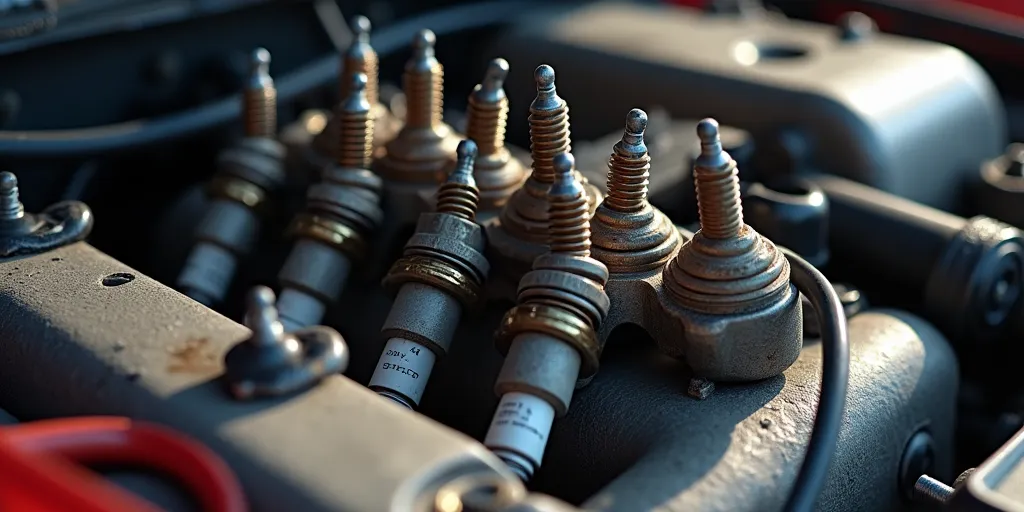
Why Is My Electric Golf Cart Sputtering
An electric golf cart that sputters, hesitates, or jerks during operation is often signaling an underlying electrical issue that should not be ignored.
When your electric golf cart begins to sputter, the most common reason is inconsistent power delivery to the motor. Unlike gas-powered carts, electric models rely entirely on a steady electrical flow. Any interruption—whether from weak batteries, loose connections, or faulty components—can cause uneven acceleration, loss of torque, or sudden hesitation. Identifying the source early can prevent more serious damage and extend the lifespan of your cart.
Understanding Power Delivery Problems
Sputtering occurs when electricity fails to reach the motor smoothly. Instead of receiving a consistent current, the motor experiences brief drops or surges in power. This results in jerky movement, delayed throttle response, or sudden stops. These symptoms often worsen under load, such as climbing hills or carrying passengers, making diagnosis even more important for safety and reliability.
Battery Issues: The Most Common Culprit
Battery problems are responsible for the majority of sputtering complaints in electric golf carts. Over time, batteries lose capacity, develop internal cell damage, or fail to hold a proper charge. Even a single weak battery in the pack can disrupt voltage balance and reduce overall performance.
Common battery-related causes include low charge levels, sulfated battery plates, corroded terminals, and loose battery cables. Regularly checking voltage with a multimeter and ensuring all batteries are evenly charged can help identify early failures. Replacing aging batteries as a full set is often recommended to maintain consistent power output.
Wiring and Electrical Connections
Loose, damaged, or corroded wiring can interrupt electrical flow just as severely as bad batteries. Vibration from daily use can slowly loosen cable connections, while moisture exposure may lead to corrosion over time. Frayed wires or worn insulation can also cause intermittent power loss.
Inspect all visible cables, connectors, and terminals for signs of rust, discoloration, or heat damage. Tightening loose connections and cleaning corroded terminals can often restore smooth operation without costly part replacements.
Solenoid Problems
The solenoid acts as a high-current switch that connects the battery pack to the controller and motor. If the solenoid is worn, sticking, or failing internally, it may open and close unpredictably. This results in sudden power interruptions that feel like sputtering or stalling.
A clicking sound without consistent movement is a common sign of solenoid failure. Testing the solenoid for proper engagement and continuity can confirm whether replacement is necessary.
Controller Malfunctions
The motor controller regulates how much power is sent to the motor based on throttle input. When a controller begins to fail, it may mismanage voltage output, causing uneven acceleration or hesitation. Overheating, internal component wear, or moisture damage are typical causes of controller failure.
Controller issues often require professional diagnostics, as symptoms can mimic battery or wiring problems. However, addressing other components first can help rule out simpler fixes before replacement.
MCOR or Throttle Sensor Issues
The MCOR (Motor Controller Output Regulator) or throttle position sensor translates pedal input into electrical signals for the controller. If this component is worn or misaligned, the signal sent to the controller becomes erratic. This leads to unpredictable speed changes, delayed response, or sputtering during acceleration.
In many cases, recalibration or replacement of the MCOR restores smooth throttle control. Modern carts are particularly sensitive to throttle signal accuracy, making this a common but often overlooked issue.
Preventing Future Sputtering
Routine maintenance is the best way to prevent sputtering problems. Regular battery inspections, proper charging habits, clean electrical connections, and periodic system checks can dramatically improve reliability. Addressing minor issues early reduces strain on major components and helps your electric golf cart perform consistently in all driving conditions.
Conclusion
An electric golf cart that sputters is usually suffering from power delivery interruptions caused by batteries, wiring, solenoids, controllers, or throttle components. By systematically inspecting each area and performing routine maintenance, you can restore smooth operation and avoid costly repairs. Understanding these common causes allows you to keep your cart running efficiently, safely, and reliably for years to come.



Add a review
Your email address will not be published. Required fields are marked *